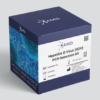
Hepatitis D Virus PCR Kit
The Hepatitis D Virus (HDV) PCR Detection Kit is a high-performance real-time RT-qPCR assay designed for the quantitative detection of HDV RNA in human samples. Utilizing advanced hydrolysis probe (TaqMan®) technology, the assay enables highly sensitive and specific identification of HDV in clinical specimens. Targeting conserved regions of the HDV genome, the kit ensures accurate detection of viral RNA, even at low concentrations. An integrated internal control system supports validation of RNA quality and detection of potential PCR inhibition, ensuring reliable and reproducible results. With optimized one-step RT-qPCR chemistry and compatibility across major real-time PCR platforms, this kit provides an efficient and dependable solution for clinical diagnostics and viral load monitoring.
Quote-based, no public pricing. Add to your quote and our specialists put together a proposal with the right documentation, typically within 24 hours.
This kit in detail
- High sensitivity detection down to 12 IU/mL
- High specificity for accurate HDV RNA quantification
- Optimized one-step RT-qPCR workflow
- Reliable performance for viral load monitoring
Quantitative RT-qPCR Detection of HDV RNA
The HDV PCR Detection Kit is an in-vitro diagnostic real-time RT-qPCR assay developed for the quantitative identification of Hepatitis D virus RNA. The assay utilizes hydrolysis probe technology to amplify and detect specific viral targets with high sensitivity and specificity.
The kit includes a ready-to-use master mix containing primers and probes for HDV detection, supporting accurate quantification of viral load in clinical samples.
Molecular Background
Hepatitis D virus (HDV) is a defective single-stranded RNA virus that requires the presence of Hepatitis B virus (HBV) for replication. Infection occurs as either co-infection or superinfection in individuals with HBV and is associated with more severe liver disease.
HDV infection significantly increases the risk of cirrhosis, liver failure, and hepatocellular carcinoma. Transmission occurs primarily through exposure to infected blood or body fluids. Accurate molecular detection and quantification are essential for disease monitoring and treatment management.
Assay Performance & Utility
The assay is designed for precise and sensitive quantification of HDV RNA in clinical samples such as serum and plasma (K2EDTA). One-step RT-qPCR enables reverse transcription and amplification in a single reaction, improving workflow efficiency and reducing handling time.
Hydrolysis probe-based detection ensures high specificity, while optimized assay conditions provide robust and reproducible performance across a wide dynamic range. The assay supports reliable viral load measurement for clinical decision-making.
Technical Specifications
- Assay Type: Quantitative Real-Time RT-qPCR
- Target: Hepatitis D Virus (HDV) RNA
- Detection Channels: FAM (HDV) ± internal control
- Sensitivity: ≥12 IU/mL (validated)
- Sample Types: Serum, plasma (K2EDTA)
- Input Material: Extracted RNA
- Technology: One-step RT-qPCR with hydrolysis probe detection
- Compatible Instruments: ABI 7500, QuantStudio series, Bio-Rad CFX, Rotor-Gene Q, LightCycler 480, and equivalent systems
- qPCR Master Mix
- Positive control
- Nuclease-free water
Datasheets and regulatory documentation
Everything your quality team needs for evaluation and procurement.
Documentation available on request, contact us and we will send it over.
Frequently paired with this kit
Other assays and instruments lab teams add alongside the Hepatitis D Virus PCR Kit.
iCassette - 16 High Risk Human Papillomavirus, HPV 16, and HPV 18
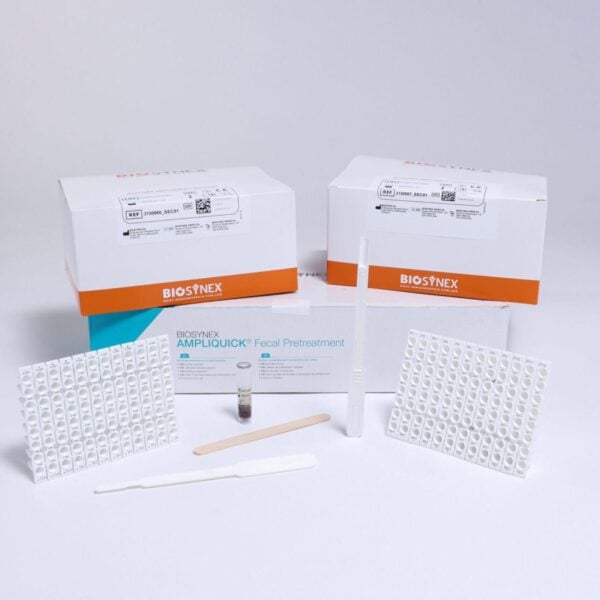
Add this kit to your quote
Tell us the platforms and throughput you’re planning for and our specialists will put together a clear proposal with the right documentation, no public pricing, just a considered answer.